You didn’t lose yourself.
You just need help reconnecting to YOU.
Hi. I’m Ammie and I know exactly what it feels like to wake up one day and not recognize the person looking back at you in the mirror, because I’ve lived it.
I spent years as a caregiver to my better half while he battled stage 4 cancer – TWICE! I gave up my business, my passions, my routine, gained more than 40 pounds and put myself so far at the bottom of every list that eventually I fell off of them entirely. I told myself that was what needed because so much was needed from me. It took awhile to understand that I also needed something from me. I deserved to show up for myself.
My story became nationally recognized and I was asked to host a show for the Shining through CIDP campaign that later went on to air on CoziTV and Peacock. The beautiful part is that I hosted not as someone who had it all together but because my story is far too common, painful and with the right tools, partially avoidable.
Now, I’m rebuilding and I’m doing it boldly, out loud, with intention, and with the kind of grace I wish someone had shown me at the start. Whether you’re coming out of caregiving, a divorce, a layoff, a loss, or just a season that took everything out of you, you’re in the right place.
Rebuilding isn’t about surviving what happened.
It’s about creating a newer version that is better aligned for YOU.
Jose’s cancer diagnosis put a magnifying glass on the food we eat, the products we use, how we fuel our mind and bodies, practically every choice that impacts our lives.
Rebuilding isn’t about regaining what we once had, it’s our opportunity to emerge stronger, healthier and happier.
Whether you’re actively seeking a total re-emergence or are looking for small ways to improve your yourself and your household, I’m glad you’re here!
Clean Skincare
Clean by Canadian standards – which are stricter than U.S. standards.
____________
Formulas designed to support your skin through the everyday stress of the elements: cold air, indoor heat, wind, and if you live in the South like me – humidity.

If your climate is different, should your skincare be different?
When I started paying attention to what I was putting on my skin, I realized I’d been using products my whole like without ever asking a single question about what was in them. Once we knew Jose was in remission, we knew we had to do things differently. That meant reading labels and changing the products we were using. I got more intentional about everything, including skincare.
That’s how I found Atmosphera. A clean, climate-curated skincare line developed in Alberta, Canada. Formulas aren’t just tested in a lab, they’re tested in real weather conditions – cold air, indoor heat, wind and humidity.
Living in the South, where the humidity alone feels like a second skin, I needed something that could keep up.
I use it beause it works and because I trust what’s in it.
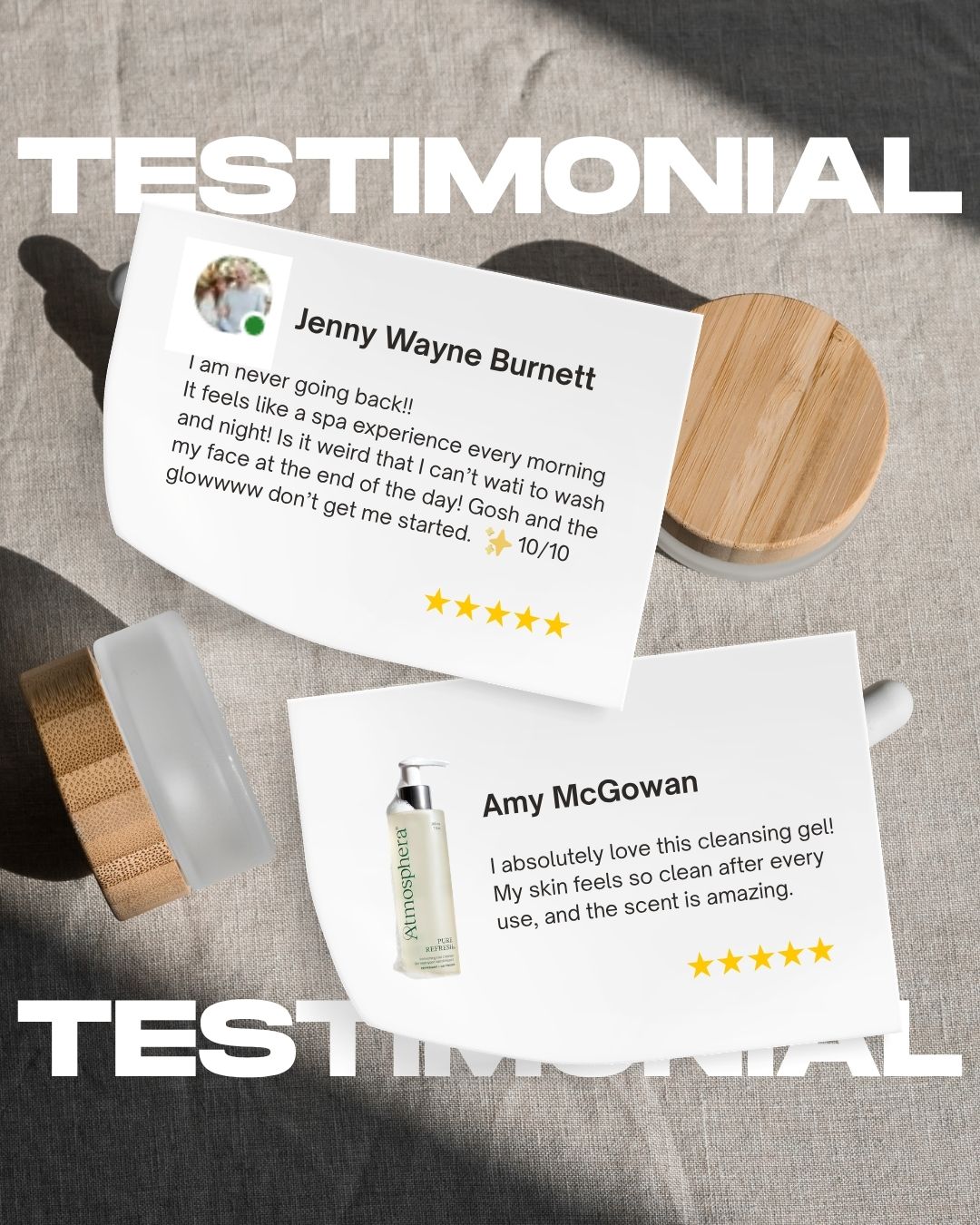
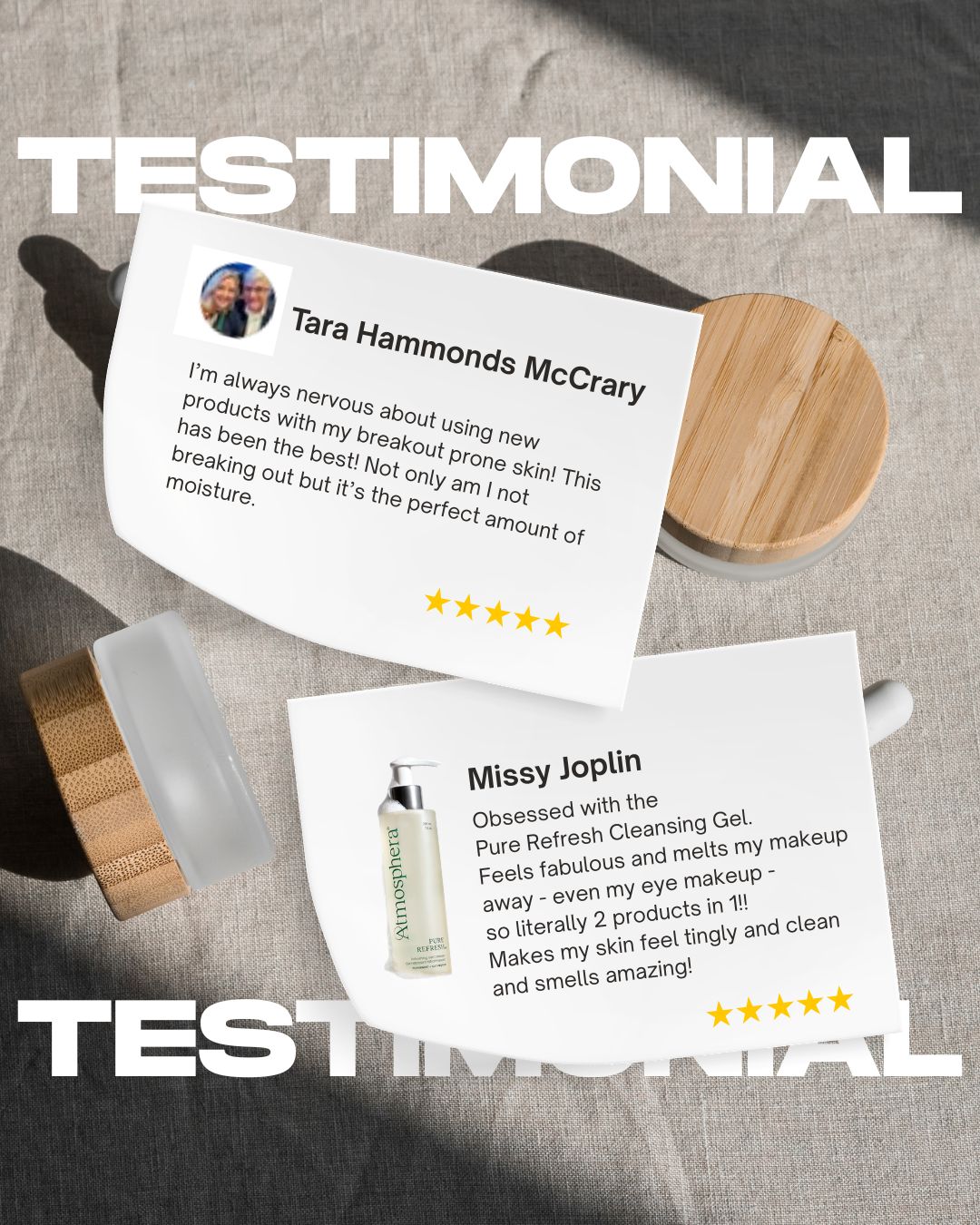
Verified Customer Reviews
Years of Proven Results
Rebuilding Tools
In this rebuilding emerged new lessons, new opportunities, and new tools for my personal success.
Here are some tools that have served me well. Perhaps they can help you as well.

The old me would have never considered direct sales / network marketing right for me.
The new me is building differently!
I’m turning products I LOVE & USE into income generators & building with multiple revenue streams that align with my personal brand.
Here are some things to consider to see if this could be a building tool for YOU.

Self-Care
You’re more likely to feel balanced when you have a balanced self-care routine.
Here are some of my faves!

I’ve compiled a list of my favorite healthy living products, organizing must haves, styles I love, things that save me time and energy and well, a bunch of things that make my life easier and/or make me happy.
Caregiving
Jose’s cancer diagnosis changed our lives in more ways than I could have ever imagined.
Our biggest test became the foundation for our biggest testimony.
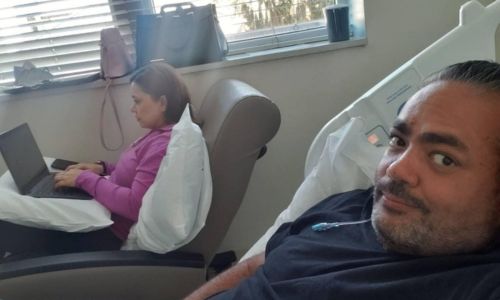
I had no idea that Jose snapped this picture of us.
Life didn’t stop just because Jose needed in-patient chemo for three days or had doctor’s appointments at the same time I had a zoom meeting. Life kept moving. The electric bill kept coming. We still had obligations.
We learned to make the best of every day and maximize opportunities as they presented themselves.
I brought a mobile office for both of us and all the things we needed for both comfort and work. People would look at us strolling in with multiple suitcases like we were moving in. In a sense, we did.
The hospital became our temporary home and office.
This birthed Caregiving Insider.
We’ve built resources so that caregivers don’t have to learn all the same lessons the hard way like I did.
THIS is What Caregiving Looks Like